
One dry tap.
That’s usually enough to send a homeowner straight to worst-case thinking. Wells across Maryland are under real stress this summer, so the assumption isn’t unreasonable. But a pump that runs fine and a well that won’t deliver water often show up together. The real explanation is usually a water table sitting lower than it should. Knowing the difference before you call anyone can save you real money.
Could Your Well Run Dry While the Pump Works Fine?
Yes, and it happens more often than most homeowners realize. A well pump has one job. It pulls water from underground and pushes it into your house at a steady pressure. It can do that job perfectly and still come up short. The problem shows up when there isn’t enough water sitting where the intake can reach it.
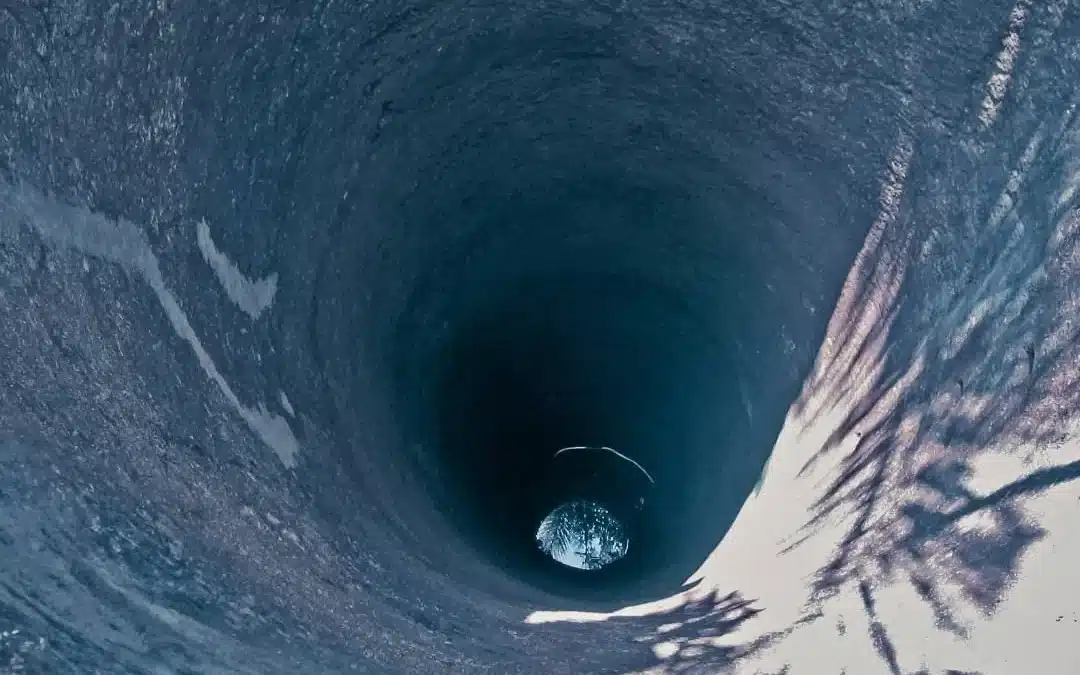
Picture the water table as the fill line in a glass. The pump doesn’t create water. It only moves what’s already there. When that fill line drops below the intake, the pump keeps working exactly the way it’s designed to. It just has less to draw from.
Mercer County’s own guide to private wells puts it plainly. A well “goes dry” when the water table falls below the pump, not when the pump itself gives out.
So when a well starts running dry, look underground before you look at the equipment. This summer, in Howard and Carroll County, there’s plenty happening underground to explain it.
Why Do Wells Run Low During a Maryland Summer?
A well’s water table shifts with the seasons. It drops through a dry summer and climbs back with fall and winter rain. Most years, that swing stays within a range a well was built to handle. This year’s swing has gone further than that.
What Happens When Withdrawal Outpaces Recharge?
Every well relies on a balance between withdrawal and recharge. Homes on well systems pull groundwater out through pumping. Rain and snowmelt slowly refill the aquifer from above. When withdrawal outpaces recharge for long enough, the water table drops, and the well has less to draw on. The U.S. Geological Survey points to this exact mechanism. Pumping groundwater faster than it can naturally recharge is a leading cause of wells running dry during drought.
A single dry spell rarely causes this on its own. The real driver is an accumulated deficit, dry stretch after dry stretch, without enough rain in between to catch back up.
What Does This Summer’s Drought Status Mean Locally?
As of the Maryland Department of the Environment’s most recent drought indicators, groundwater across Central Maryland sits at Emergency status. That includes Howard and Carroll counties. The state has been under a drought warning since May 2026. Three straight years of below-normal rainfall got it there.
I wish this next part came with better news. Three dry years, stacked on top of each other, are what got the region here. It shows up in wells before it shows up almost anywhere else.
Is It the Water Table or the Pump?
Both explanations share the same first symptom, less water than you expect. Telling them apart comes down to how the problem showed up and how it’s behaving now. The lists below are a starting point, not a diagnosis. Only an on-site assessment can confirm which one is happening at your house.
Signs Pointing to the Water Table
A water-table drop tends to look gradual. It also tends to travel with the neighborhood, not just your house.
- Pressure fades slowly over days or weeks rather than disappearing all at once
- Trouble shows up worst during the hottest, driest part of the day, or after heavy outdoor watering
- Neighbors on nearby wells are mentioning the same thing
- The pump still runs and sounds the way it always has
Signs Pointing to the Pump
A pump problem tends to look sudden. It tends to stay isolated to your own system.
- Pressure drops sharply, sometimes in the same day, instead of trailing off over weeks
- New grinding, clicking, or humming sounds come from the pump or pressure tank
- A breaker trips repeatedly when the pump kicks on
- Water turns gritty or sandy out of nowhere, not just during heavy use
If several of those sound familiar, the signs your well pump is failing are worth reviewing in more depth. That’s worth doing before you assume which one you’re dealing with.
What Should You Do While You Wait for an Assessment?
A few things genuinely help while an assessment is pending. None of them fix the underlying problem on their own.
- Cut back on heavy, simultaneous water use, like laundry and back-to-back showers, until someone’s looked at the system
- Keep a simple log of when trouble shows up, how long it lasts, and whether it improves overnight
- Leave the pump itself alone
- Well pump repair is a job for someone who can pull the right readings on-site, not a manual project mid-drought
None of this fixes a dropped water table on its own, and it shouldn’t. What it does is buy the system some breathing room. It also gives whoever assesses it a clearer picture of what’s been happening.
How Long Does a Well Take to Recover?
Recovery timing follows rainfall, not a calendar. A single good storm helps surface conditions right away. But reversing a water table that’s been dropping for three years takes sustained recharge, not one wet week.
For a well running low this summer, that can mean waiting out the season. Watch levels through fall and winter, and see where things land before next year’s dry stretch begins. It’s not a fast turnaround. Setting that expectation now beats being surprised by it in October.
None of that waiting has to happen blind, though. A proper assessment can confirm whether the water table is the whole story, or whether something fixable is layered on top of it.
Get a Straight Answer Before You Assume the Worst
A dry tap in the middle of a drought doesn’t automatically mean a failed pump. Jumping straight to that conclusion is an easy, expensive mistake to make. Most of what’s showing up in Howard and Carroll County wells right now traces back to the water table. Pump replacements get scheduled before that’s confirmed more often than they should be.
An on-site assessment is the only way to know for certain which one you’re dealing with. PlumBubble’s assessments carry a disclosed fee upfront, and if the visit turns into approved repair work, that fee gets credited toward the job. You’ll know what’s going on with your well, and what it costs to fix, before anything starts.
Schedule a Professional Assessment and find out whether your well needs a new pump or just some patience while the water table catches back up.